
The ultimate engineering blueprint and industrial maintenance playbook to prevent unexpected downtime, extend wear lifetimes, and secure peak volumetric output in oil-free compression systems.
1. The Science of Longevity in Oil-Free Compression Infrastructure
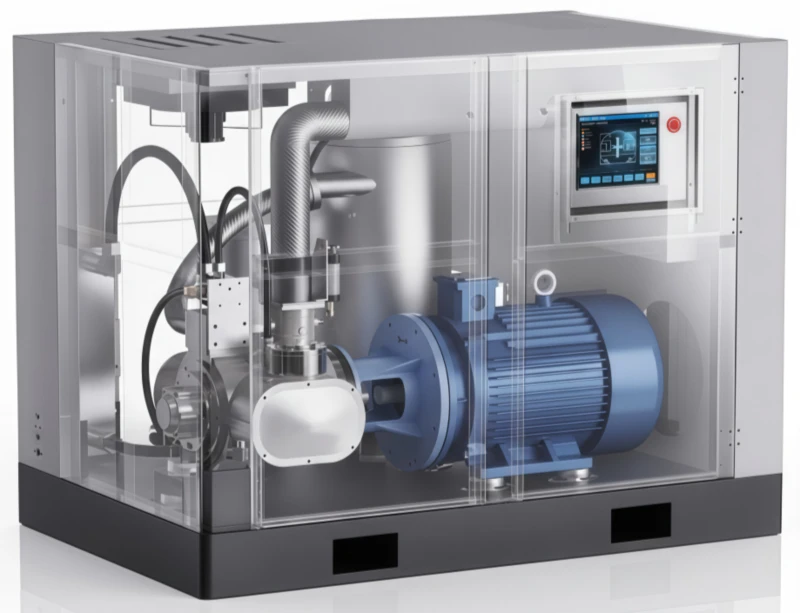
In life-critical medical devices and continuous industrial processing networks, the operational lifespan of gas generation assets is a core metric of institutional efficiency. Pressure Swing Adsorption (PSA) technology has revolutionized on-site gas separation, allowing hospitals, aquaculture facilities, and ozone treatment facilities to generate high-purity oxygen independently. However, a PSA framework cannot operate in isolation; it is a passive molecular sieve matrix that requires a continuous, highly stable thermodynamic driver. The machinery performing this vital role is the oil-free air compressor for oxygen concentrator systems. By compacting atmospheric gas under strict pressure targets, this compressor dictates the volume and purity of your finalized gas stream.
Unlike standard workshop air pumps that use circulating hydrocarbon oils to absorb friction heat, dissipate thermal spikes, and seal clearances, a miniature medical oxygen compressor must run completely dry. This oil-free design is non-negotiable; even a trace contamination of oil aerosol can permanently poison downstream synthetic zeolite beds and introduce severe auto-ignition fire hazards under compressed oxygen conditions. Operating without a liquid oil barrier means that internal components—such as flexible polymer piston cups, cylinder sleeves, and reed flapper valves—face raw mechanical friction and high thermal stress during continuous 24/7 duty cycles.
Because these components are sacrificial by design, maintaining peak volumetric output requires a disciplined preventive maintenance program. Allowing minor wear parameters to build up can trigger a compounding chain reaction, leading to internal air blow-by, high motor operating temperatures, sudden pressure decay, and eventual system shutdown. This technical guide outlines a structured preventive maintenance checklist for miniature oxygen pumps, helping your technical team optimize component lifespans, secure maximum equipment uptime, and achieve a low total cost of ownership.
2. Daily and Shift Maintenance Checkpoints
Routine, shift-level inspections represent your primary defense against unexpected field breakdowns. These quick, non-invasive diagnostic checks allow operators to spot minor operational variations before they escalate into critical component failures.
Acoustic and Vibration Audits: Operators must monitor the compressor’s acoustic signature at the start of every shift. A healthy oil-free rocking piston or diaphragm pump generates a predictable, uniform rhythmic hum. A sudden change to a sharp metallic clattering or rhythmic knocking points toward internal component damage, such as a loose piston crown screw or a failing eccentric shaft bearing. If unusual structural tremors are detected passing into the equipment cabinet, inspect the flexible elastomer isolation mounts for material breakdown.
Condensate Drainage and Moisture Tracking: Compacting ambient air concentrates water vapor, leading to condensation inside downstream plumbing lines. While large industrial installations use high-efficiency automated water traps, miniature systems rely on manual drainage points. Technicians must drain the primary moisture separators and receiver tanks every shift to prevent water carryover. If liquid water slips past moisture traps and reaches the PSA towers, it will contaminate the zeolite beds, causing a rapid, permanent loss of nitrogen adsorption capacity.
3. Weekly and 500-Hour Optimization Routines
Weekly maintenance milestones focus on optimizing the compressor’s primary intake pathways and heat dissipation infrastructure, shielding the internal polymer cups from environmental dust and thermal stress.
Intake Filter Elements: The air intake filter is the gatekeeper of your compression chamber. In dusty field environments, these elements accumulate fine environmental dust, lint, and pet dander rapidly. A clogged filter starves the cylinders of air mass, forcing the pump to pull a deep internal vacuum on its intake stroke. This restriction increases the motor power draw and causes high operational temperatures. Technicians should blow out filter elements with dry air weekly and replace them promptly every 500 hours to maintain smooth, unrestricted airflow.
Heat Sink Fin Cleansing: Because oil-free compressors generate high thermal energy, they use cast aluminum heads with deep external cooling fins. If dust blankets these fins, it forms an insulating layer that traps heat. Technicians must clean out these fin gaps weekly using compressed air or a soft brush. This preservation step ensures that shaft-driven cooling fans can drive forced convection currents effectively, keeping the internal PTFE cup seals well below their thermal softening point.
4. Monthly and 2000-Hour Material Audits
Monthly maintenance protocols involve a closer evaluation of pneumatic connections, structural fasteners, and motor current draws to track the performance decay curves of the machine.
Pneumatic Integrity and Leak Tracking: Minor micro-leaks along discharge lines or fitting threads will cause a noticeable decline in volumetric flow rates. Technicians should apply a specialized glycol-based leak detection solution to all flexible hose couplers, check valves, and head manifold gaskets while the system is pressurized. Any bubbling indicates an active leak pathway that must be sealed immediately by replacing worn seals or re-applying high-temperature thread sealants.
Electrical Performance Tracking: Monitoring motor current draw provides a clear window into internal pump metrics without disassembling the chassis. Clamp a high-resolution digital ammeter around the motor power lead wire while the compressor operates under full PSA pressure. If the current draw falls below factory benchmarks while output flow drops, it indicates that the internal piston cups have worn thin, reducing mechanical resistance and allowing gas to blow-by into the crankcase.
5. Semi-Annual Overhaul: PTFE Cup and Seal Rebuilds
The most critical phase of the longevity playbook is the scheduled replacement of internal wear components. Sourcing high-quality OEM overhaul components and adhering to exact mechanical tolerances ensures the compressor returns to full factory efficiency.
Every 4,000 to 6,000 hours of continuous service, the compressor head must be disassembled for a complete seal overhaul. Technicians should remove the cylinder head bolts in a cross pattern and lift off the valve block casting. Inspect the polished inner walls of the hard-anodized aluminum cylinder sleeves; if deep vertical scratches or scoring are visible, replace the sleeve immediately. A scored sleeve acts like sandpaper, tearing fresh polymer rings within hours of installation.
Remove the worn PTFE piston cup rings from the top of the connecting rods. Fit the replacement cup seals onto the piston crowns using a specialized concentric expansion tool to prevent localized stress fractures. At the same time, clean the intermediate valve plate. Remove any accumulated carbon scale or particulate deposits from the valve seats using a specialized contact solvent, and inspect the thin stainless steel or PEEK flapper reed valves. If a reed flap displays pitting, micro-cracks, or deformation, replace the entire assembly to prevent backflow leaks. Re-assemble the head housing, using an adjustable torque wrench to tighten fasteners evenly to factory specifications.
6. Mechanical Transmission Constraints: Comparing Scales of Power
When designing and maintaining high-precision medical machinery, it is helpful to place its power parameters into context with broader mechanical fields. While heavy industrial gear transmissions and high-torque agricultural harvesters require external power transfer shafts—such as a specialized mechanical pto shaft assembly—to bridge energy across separate units, miniature gas systems operate on a highly integrated, direct-drive scale.
In miniature oxygen pumps, power delivery is managed by coupling the internal motor shaft directly to an eccentric bearing hub inside the compressor crankcase housing. This direct-drive setup eliminates universal joints, sliding splines, and external linkages, minimizing mechanical power losses and dropping operating noise levels significantly. However, because this direct link passes all torsional resistance straight back to the motor bearings, maintaining perfect axial alignment and checking for bearing play during rebuild intervals is vital to ensure long-term system health.
7. Sourcing Premium Components & Global Quality Standards
The long-term performance of your preventative maintenance program depends directly on the material quality of your replacement parts. Sourcing cheap, non-OEM components or unverified polymer seals can cause rapid field failures, high maintenance overhead, and unexpected system shutdowns.
Procurement specialists must ensure that all maintenance spares are sourced from manufacturing partners that comply with the strict ISO 13485 quality management standard for medical devices. ISO 13485 requires comprehensive document controls, full material traceability, and automated batch inspections for every component produced. Replacement PTFE seals must be verified to use high-purity virgin resins blended with precise structural binders, ensuring uniform thermal expansion and low-wear tracking against cylinder walls. Using certified components streamlines your institutional compliance paths and ensures your oxygen machinery runs efficiently throughout its full lifecycle.
8. Comprehensive Preventive Maintenance Checklist
To help your maintenance team execute service protocols efficiently, we have compiled a standardized lifecycle maintenance matrix, tracking required interventions across standard operating intervals:
| Maintenance Interval | Required Technical Intervention | Component Target Focus |
|---|---|---|
| Every Shift (10 Hours) | Execute acoustic signature and vibration audits; drain moisture trap bowls manually. | Water Traps & Bearings |
| Weekly (150 Hours) | Blow out intake filters; clean dust from external aluminum head fins. | Cooling Fins & Air Filters |
| Monthly (500 Hours) | Replace clogged intake filter elements; log current draw metrics under pressure. | Filter Elements & Motor |
| Semi-Annual (4000 Hours) | Execute complete head rebuild; replace PTFE cup seals, sleeves, and valve reeds. | PTFE Cups, Sleeves & Reeds |
9. In-Field Troubleshooting Guide for Maintenance Teams
Even with tight adherence to maintenance schedules, changing field variables require real-time troubleshooting adjustments. Technicians must understand how to read system feedback to diagnose faults accurately.

Issue 1: Gradual Drop in System Operating Pressure
This drop typically points to progressive wear of the sacrificial PTFE piston cup seal. As the polymer wears down, high-pressure air leaks past the seal back into the crankcase during the compression stroke. Attach a pressure gauge directly to the pump outlet; if it struggles to reach target thresholds, replace the piston cup and cylinder sleeve modules to restore full volumetric efficiency.
Issue 2: High Acoustic Clatter from the Cylinder Block
A sudden increase in operating noise usually means that ambient dust has bypassed a torn intake filter and entered the cylinder cavity. These hard particles score the inner polished aluminum walls of the sleeve, causing rapid seal tearing. Turn off power immediately, check the cylinder walls for scratches, and install a fresh sleeve and high-efficiency filter element before restarting.
10. Total Cost of Ownership (TCO) Analysis
For facility financial managers and clinical directors, managing the total cost of ownership (TCO) of gas generation systems is a key priority. Within an operating PSA facility, neglecting minor compressor maintenance is an operational risk that can lead to major capital losses.
When a compressor falls into efficiency decay, its internal temperature spikes due to re-compressing blow-by gas. This high heat travels down the discharge pipeline straight into the sensitive Zeolite Molecular Sieve towers. High-temperature gas lines degrade the crystalline alignment of the zeolite matrices, completely destroying their nitrogen adsorption capacity. While a compressor rebuild kit costs a small fraction of the equipment price, replacing an entire poisoned zeolite bed requires thousands of dollars in capital expenditure and causes extensive facility downtime. Executing proactive compressor overhauls preserves these critical downstream assets and ensures an optimal return on capital investments.
11. Frequently Asked Questions (FAQ)
A: The primary indicators include a gradual drop in output pressure, low oxygen purity alarms from downstream sensors, a reduction in motor current draw under load, and an increase in mechanical clattering or clicking sounds from the cylinder head.
A: The flexible PTFE cup seal replaces traditional lubricated piston rings. It expands against the hard-anodized cylinder walls to create a tight pneumatic seal, sliding smoothly without fluid oil lubrication to deliver pure, oil-free compressed air.
A: Compacting air concentrates ambient humidity into water droplets. If water carryover bypasses filtration traps and reaches the PSA towers, it will quickly deactivate the zeolite beds, destroying their nitrogen adsorption capacity permanently.
A: A clogged filter restricts intake airflow, forcing the compressor to pull a deep internal vacuum on its intake stroke. This restriction increases motor resistance and spikes head temperatures, accelerating the degradation of internal seals.
A: Under proper ambient operating conditions and regular filter replacement, high-grade reinforced PTFE cup seals operate efficiently for 4,000 to 6,000 hours before friction wear requires an overhaul.
A: Sieve beds require strong pneumatic pressure to attract and bind nitrogen. Lower delivery pressure weakens this molecular attraction, allowing nitrogen to escape early into the output stream and dropping oxygen purity levels.
A: Non-OEM seals often lack precise fluoropolymer structures or fiber binders, causing them to soften and deform rapidly under thermal stress. This leads to early blow-by leaks, high friction wear, and unexpected system shutdowns.
A: Head cooling fins should be cleaned weekly using compressed air or a soft brush to clear away insulating dust layers, ensuring optimal heat dissipation during long-term continuous operations.
A: Accumulations of fine atmospheric dust or trace carbon deposits along the valve seats prevent the thin reeds from sealing flat, allowing compressed discharge air to flow backward into the cylinder cavity during intake strokes.
A: Tightening head bolts in an even star pattern ensures uniform load distribution across the cylinder block casting. This prevents structural warping and localized seal gaps that cause early ring breakdowns under pressure.
Maximize Your System Operational Lifespan
Stop allowing component wear to threaten your critical molecular sieves and increase facility downtime. Partner with our engineering team to secure high-efficiency certified oil-free miniature compressors and OEM service solutions.