
An extensive technical exploration of how miniature oil-free compressors drive Pressure Swing Adsorption technology across commercial fish farming, industrial water purification, and alternative niche bio-chemical ecosystems.
1. Introduction: The Industrial Expansion of Compact Oxygen Generation
For decades, miniature oxygen concentrators were viewed almost exclusively through a clinical lens. These compact medical devices served as critical support tools, providing life-saving respiration enrichment to patients suffering from chronic obstructive pulmonary disease (COPD) or acute respiratory failure. However, as global supply lines fluctuate and the economic costs of traditional liquid gas logistics climb, industrial engineers and B2B buyers have recognized a powerful truth: the underlying Pressure Swing Adsorption (PSA) technology utilized to generate medical oxygen can be easily adapted to satisfy low-to-mid-volume industrial gas requirements. Today, autonomous gas generation arrays are actively migrating out of critical care wards and into heavy commercial applications worldwide.
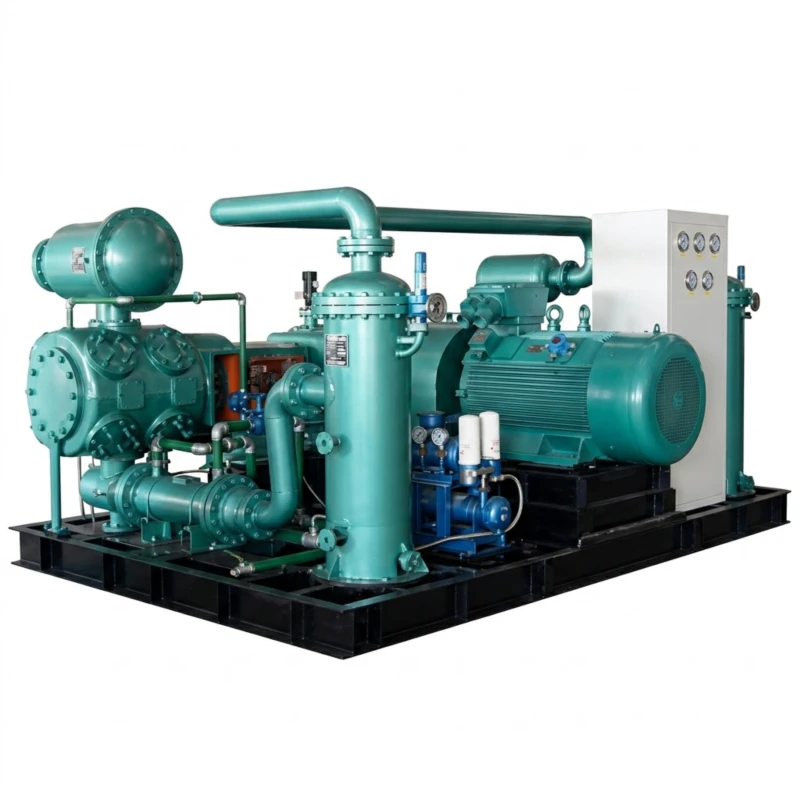
At the heart of every standalone PSA separation plant is a mechanical component that determines system performance, purity, and operational lifecycle: the small oxygen concentrator compressors framework. By executing continuous gas compaction and delivering high-pressure ambient air into synthetic zeolite molecular sieves, the compressor serves as the thermodynamic engine of the plant. Within these alternative, non-clinical sectors, the selection of an elite, high-efficiency oil-free compressor determines whether an installation can sustain a continuous 24/7 duty cycle or fall victim to premature component wear and costly system downtime.
Sourcing high-purity miniature air systems requires moving past basic catalog specifications and exploring the unique environmental and biochemical parameters of industrial niches. This authoritative guide examines the mechanical role of oil-free compressors within two primary alternative domains—commercial high-density aquaculture and high-voltage industrial ozone synthesis. We will look at structural performance curves, discuss material science advances, analyze operational diagnostics, and establish a clear checklist for B2B procurement managers seeking to integrate high-reliability oil-free compression systems into their next-generation equipment portfolios.
2. The Aquaculture Paradigm: Managing Dissolved Oxygen in RAS Networks
The global aquaculture sector has undergone a massive transformation, shifting away from open coastal sea cages toward intensive, indoor Recirculating Aquaculture Systems (RAS). RAS platforms grant facility managers absolute control over environmental variables, isolating fish and shrimp crops from toxic marine pollution, volatile ocean temperatures, and pathogenic bacterial blooms. However, to make these indoor facilities economically viable, stocking densities must be maintained at exceptionally high levels—frequently exceeding 60 to 100 kilograms of fish per cubic meter of water. At these extreme populations, biological oxygen demand (BOD) climbs exponentially.
Standard surface aeration devices like paddlewheels or basic ambient air diffusers are entirely insufficient to sustain these intense stocking loads. Ambient air contains only 21% oxygen; bubbling standard air through a high-density tank cannot dissolve gas fast enough to counteract biological respiration rates, leading to acute hypoxic shock and catastrophic stock mortality within minutes if power drops. To mitigate this risk, modern RAS facilities deploy compact PSA generation plants fueled by continuous-duty oil-free miniature air compressors. These systems inject 93% pure oxygen directly into water loops through high-pressure oxygen cones or micro-bubble down-flow splitters, forcing the gas to dissolve into the water at super-saturated levels.
Within an intensive RAS facility, the air compressor operates under brutal, unyielding conditions. The surrounding air is frequently crowded with corrosive ambient moisture and micro-particulate salt vapors evaporated from open water tanks. To prevent sudden bearing corrosion or cylinder head pitting, compressors must incorporate high-IP-rated housings, epoxy-coated winding matrices, and advanced multi-stage intake air filters. The use of a certified oil-free compressor is an absolute biological mandate here; if an oil-lubricated pump suffered a minor internal seal tear, microscopic hydrocarbon oil aerosols would travel downstream, bypass the zeolite towers, and inject directly into the fish tanks. This oil mist coats the delicate gills of fish, blocking natural gas exchange and causing mass chemical poisoning across your entire aquatic livestock inventory.
3. Ozone Generation Mechanics: High-Purity Oxygen Feed for Corona Discharge
Ozone ($O_3$) is widely recognized as one of the most powerful commercially available disinfectants and oxidizing agents. It is utilized heavily by municipal water plants to neutralize viral pathogens, by food processors to sterilize packaging lines without chemical residues, and by industrial textile loops to treat aggressive wastewater effluents. Because ozone is an unstable molecule with a short chemical half-life, it cannot be safely bottled or shipped in bulk tanks; it must be synthesized directly at the point of consumption.
The dominant commercial method for synthesizing ozone is the Corona Discharge Method. Inside an ozone generator, feed gas is passed through a high-voltage electrical field generated between precision dielectric glass tubes. This intense electrical energy splits diatomic oxygen ($O_2$) molecules into unstable oxygen radicals, which quickly bind with surrounding $O_2$ molecules to form ozone ($O_3$). To make this process economically viable, the feed gas injected into the corona gap must have an oxygen concentration exceeding 90% and be completely free of humidity and hydrocarbons. If standard ambient air is fed into the discharge cell, the high-voltage arc reacts with atmospheric nitrogen to synthesize nitric acid ($HNO_3$), which quickly corrodes the expensive internal stainless steel housing and ruins the dielectric tubes.
To feed these industrial ozone generators, facilities implement dedicated compact PSA oxygen concentrators driven by high-pressure oil-free rocking piston compressors. The compressor must sustain a highly uniform, pulsation-free air delivery to ensure that the gas moves through the corona discharge gap at a constant velocity. Sourcing an absolute oil-free compressor configuration is critical for the survival of the ozone system. If an oil-lubricated compressor suffered even a minor breakdown, hydrocarbon vapors would pass downstream and enter the high-voltage discharge zone. Under the intense heat and electrical energy of the corona arc, these oil vapors undergo rapid carbonization, forming an insulative layer of black soot over the precision glass dielectric tubes. This soot layer blocks electrical energy transfer, induces severe electrical arcing, causes localized thermal cracking of the glass, and leads to immediate system failure.
4. Expanding horizons: Alternative Niche Application Landscapes
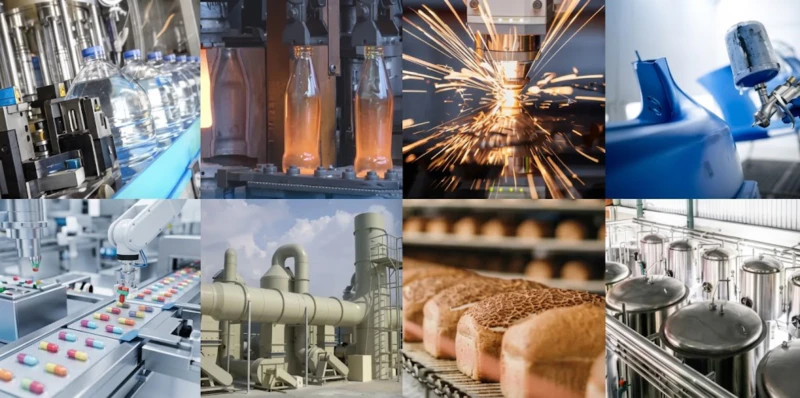
Beyond aquaculture and ozone generation, miniature oxygen compressors serve as critical infrastructure components across diverse alternative landscapes, expanding their B2B market footprint.
Hyperbaric Veterinary Clinics
Advanced veterinary medicine increasingly utilizes hyperbaric oxygen therapy (HBOT) to accelerate wound healing, treat severe carbon monoxide poisoning, and mitigate tissue necrosis in small animals and equine companions. These specialized veterinary chambers require a safe, continuous stream of high-purity oxygen under elevated structural pressures. Using cylinders can frighten animals due to the sharp hissing sound of valve regulators, and running out of gas mid-therapy is a major risk. Small PSA units powered by ultra-quiet oil-free compressors provide a constant, reliable oxygen supply, allowing veterinary teams to conduct long-term treatment cycles safely and economically.
Artisanal Glassblowing and Scientific Torchwork
Working with borosilicate glass requires high-temperature torches fueled by a combination of propane and concentrated oxygen. For small scientific glassblowing labs or artisanal studios located in historic urban buildings, storing large high-pressure oxygen cylinders is often restricted by local fire safety codes. A compact PSA oxygen generator driven by a miniature oil-free rocking piston compressor provides an ideal solution. The compressor supplies a steady, regulated gas stream that ensures a completely stable, intense torch flame, allowing artists and laboratory glass technicians to work safely without high-pressure cylinder storage liabilities.
5. Comprehensive B2B Sourcing Metrics Table
Procurement teams require detailed, quantitative metrics to accurately align miniature oil-free compressor configurations with specific industrial application loads. The detailed table below serves as an engineering benchmark for B2B product developers:
| Application Domain | Target Flow Domain (L/min) | Continuous Operating Pressure | Ideal Pump Configuration | Mandatory Environment Rating |
|---|---|---|---|---|
| High-Density RAS Aquaculture | 60 ~ 180 L/min | 4.5 ~ 6.0 Bar | Twin-Cylinder Rocking Piston | IP54 Minimal + Salt Spray Shield |
| Industrial Ozone Synthesis | 20 ~ 70 L/min | 3.5 ~ 5.0 Bar | Single-Stage Sealed Scroll / Piston | Dry, Dust-Free Infiltration Housing |
| Hyperbaric Veterinary HBOT | 30 ~ 50 L/min | 4.0 ~ 5.5 Bar | Multi-Stage Ultra-Quiet Diaphragm | Sound Insulated < 45 dBA Shielding |
6. Mechanical Transmission Constraints: Contrasting Engineering Scales
When designing integrated gas production machinery, placing your component power metrics into context with broader mechanical industries is a useful exercise. In large-scale heavy machinery—such as industrial farming implements or heavy crop harvesters—power transmission requires massive, external telescoping linkages. These systems pull raw torque from a tractor motor through a heavy mechanical components like a traditional PTO shaft line equipped with friction clutches to bridge energy safely across distinct chasses.
In miniature oil-free gas machinery, by contrast, the power distribution network is engineered on an highly integrated, direct-drive scale. Miniature rocking piston and scroll pumps eliminate external universal joints and sliding splines entirely, mounting the compression crank pins directly onto the primary electric motor drive axis. This direct integration optimizes electrical efficiency, lowers component weight, and minimizes structural vibrations. However, because this direct link passes all compaction resistance straight back to the motor bearings, maintaining perfect axial alignment and checking for bearing play during rebuild intervals is vital to ensure long-term system health.
7. Thermal Management and Forced Convection Optimization
Compacting ambient air under continuous duty cycles generates substantial thermal energy as a thermodynamic byproduct. In an oil-free system lacking an oil film to absorb heat, temperatures inside the cylinder head can quickly climb past safe limits. Managing this heat buildup is essential for component survival; if a compressor head overheats, the air stream entering the PSA towers can exceed optimal thresholds, disrupting the molecular separation process and reducing gas purity.
To maintain stable operating temperatures during long-term operations, industrial micro-compressors utilize advanced air-cooling configurations. The cylinder head and crankcase are cast with deep, multi-channeled aluminum fins to maximize surface area. High-velocity cooling fans are mounted directly onto the main motor drive shaft, forcing a continuous stream of air across the cooling fins. This airflow dissolves heat rapidly, keeping the internal synthetic seals well below their thermal softening point. This robust cooling performance ensures the compressor maintains its specified volumetric displacement and pressure output throughout continuous industrial duty cycles.
8. Preventative Maintenance Playbook for Industrial Implement Owners
Adhering to a strict, proactive preventive maintenance program is the single most effective way to extend the operational life of your oil-free compressor asset and ensure stable gas purity season after season. Working within abrasive or humid industrial fields accelerates component wear if maintenance schedules are ignored.
9. Real-Time In-Field Operator Diagnostics Matrix
Dynamic industrial environments require technical operators to monitor performance indicators closely, identifying and resolving minor system variances before they cause unexpected operational delays.
Symptom A: Gradual Decline in downstream Output Gas Pressure
This pressure loss typically points to progressive wear of the sacrificial PTFE piston cup seal. As the polymer wears thin against the cylinder walls, compressed air leaks back into the crankcase housing on the upward stroke. Technicians should measure output pressure using an inline gauge; if pressure targets underperform factory specifications, replace the piston cup and cylinder sleeve to restore full volumetric efficiency.
Symptom B: Sharp Clattering Acoustic Signature coming from Cylinder Head
A sudden increase in mechanical noise usually means that ambient dust has bypassed a torn intake filter element and entered the cylinder cavity. These hard particles score the inner polished aluminum walls of the sleeve, leading to rapid seal tearing. Turn off power immediately, check the cylinder walls for scratches, and install a fresh sleeve and high-efficiency filter element before restarting.
Symptom C: Periodic Motor Trips via Thermal Overload Protections
This shutdown is a safety response indicating that the compressor pump is overheating. Verify that ambient room cooling fans are operating correctly and clean any accumulated lint or dust from the external aluminum cooling fins. If the fin clearances are clear, inspect the internal discharge reed valves; carbonized debris or scale buildup can cause valves to stick, creating internal air recirculation that spikes temperatures quickly.
10. Economic Efficiency & Environmental Lifecycle ROI
Implementing an autonomous PSA oxygen plant driven by an elite oil-free miniature air compressor delivers a strong financial return on investment (ROI) across its operating lifecycle. By eliminating recurring gas delivery fees, cylinder rentals, and the labor costs of handling heavy steel cylinders, facilities cut operational overhead significantly.
From an environmental perspective, on-site gas generation eliminates the carbon emissions associated with heavy distribution trucks. Because premium oil-free compressors feature high mechanical efficiency and low specific power draws, electricity usage per liter of oxygen produced is minimized. This supports corporate sustainability goals and helps facilities operate cleanly in an eco-conscious global market.
11. Ten In-Depth Frequently Asked Questions (FAQ)
A: Oil-free delivery is essential to prevent microscopic oil aerosols from entering the fish tanks. Oil mist forms a chemical film over the water surface and fish gills, blocking natural gas exchange and causing mass stock poisoning.
A: Under the intense heat of the electrical arc, oil vapors undergo rapid carbonization, building up soot on the glass dielectric tubes. This soot layer blocks energy transfer, induces severe electrical arcing, and breaks the dielectric tubes.
A: Fixed roll drum configurations use spinning steel cylinders to pack crop masses evenly from the outside inward, generating round weather-resistant outer boundaries without the hard pulsating shocks associated with linear pistons.
A: Sacrificial cup seals are manufactured from advanced PTFE fluoropolymer matrices reinforced with glass fiber or carbon dust, sliding smoothly against aluminum sleeves without fluid oil lubrication.
A: Compacting air concentrates ambient humidity. If water carryover bypasses filtration traps and reaches the PSA towers, it will quickly deactivate the zeolite beds, destroying their nitrogen adsorption capacity permanently.
A: Most commercial oil-free micro-pumps operate at synchronous motor speeds, delivering stable volumetric outputs across standard utility frequencies (typically 1400 to 1700 RPM).
A: The primary mechanical driveline integrates pressure relief valves and motor thermal overload interrupters that immediately break the circuit if head pressures or temperatures exceed factory limits.
A: Internal stainless steel or PEEK flapper valves should be audited during every standard seal service overhaul, typically every 4,000 to 5,000 hours of continuous field service.
A: Yes. Many compact oil-free models can be fitted with high-efficiency DC brush or brushless motors, allowing them to run directly from generator or solar battery banks in mobile field clinics.
A: The 18-roller outside-in compaction curve builds an ultra-dense, water-shedding outer layer around the bale’s perimeter, allowing rainfall to roll off naturally and preventing rot losses during field storage.
Secure Your Autonomous Industrial Gas Supply
Stop gambling your system reliability on unverified components. Reach out to our B2B procurement division to configure a certified oil-free miniature compressor that matches your exact pneumatic curves and regulatory benchmarks.