
When the Gas Being Compressed Is the Hazard: Engineering Safety Into Every Design Decision
Most industrial compressed gas applications involve gases that are hazardous only by virtue of their pressure — air, nitrogen, carbon dioxide. The compressor’s role is to add energy to an otherwise benign substance, and the engineering challenge is primarily mechanical and thermodynamic. Acetylene and hydrogen are different in a fundamental way: both gases are intrinsically hazardous, and that hazard intensifies under the elevated pressures and temperatures of compression. A compressor that handles acetylene or hydrogen is not merely a pressure machine — it is safety-critical equipment whose design, materials, operating parameters, and maintenance practices must all be oriented around preventing conditions that could trigger decomposition or ignition of the gas being compressed.
This article examines the specific hazard profiles of acetylene and hydrogen, the engineering safeguards that specialty gas compressors for these applications incorporate, the relevant design standards and regulatory frameworks, and the operating and maintenance practices that are essential for safe long-term service. It is intended for plant engineers, safety managers, procurement professionals, and technical directors responsible for specifying, installing, and operating acetylene or hydrogen compression equipment.
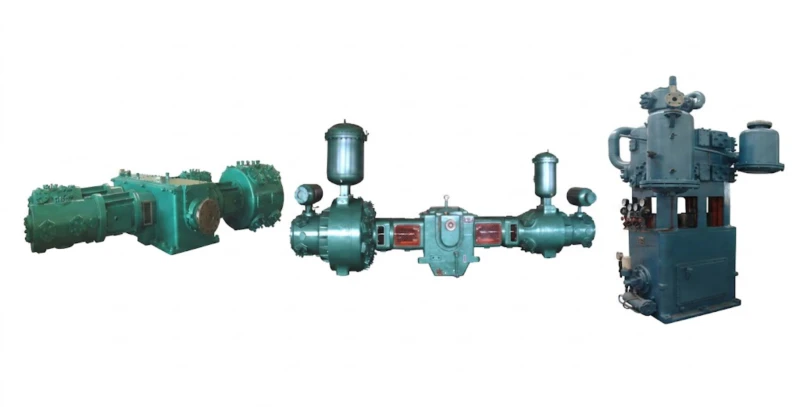
Acetylene: The Most Hazardous Gas Routinely Compressed at Industrial Scale
Acetylene (C₂H₂) is the most thermodynamically unstable industrial gas in routine compressed gas service. Unlike flammable gases such as propane or methane that require both fuel and an external ignition source to combust, acetylene can decompose exothermally — explosively — without any external ignition source and without requiring oxygen to be present. This decomposition reaction, in which acetylene breaks down to carbon and hydrogen with the release of approximately 226 kJ per mole of heat, can be triggered by mechanical shock, adiabatic compression to excessive temperature, contact with certain incompatible materials, or the presence of certain catalytic contaminants.
The Pressure Limit: Why Acetylene Cannot Be Compressed Above 1.5 Bar Gauge Without Dissolution
Free gaseous acetylene becomes increasingly unstable as pressure increases. Above approximately 1.5 bar gauge (2.5 bar absolute), the risk of spontaneous decomposition initiation by minor mechanical disturbances — valve impact, pipeline vibration, sudden pressure fluctuation — increases to an unacceptable level for safe industrial handling. This is why acetylene for cylinder filling is stored not as free gas but dissolved in acetone within a porous mass inside the cylinder: the dissolved state significantly suppresses the decomposition propagation risk even at storage pressures of 15 to 25 bar gauge.
The implications for acetylene compression are severe: the compressor must handle acetylene at inlet pressures above atmospheric (from the generator) but must never allow any section of the gas path to reach conditions that could initiate decomposition. Discharge pressure from the final compression stage must remain within safe limits for the specific mixture composition (pure acetylene has a lower safe pressure limit than acetylene dissolved in solvent vapours), and discharge temperature must be controlled tightly to prevent the adiabatic temperature rise of compression from triggering thermal decomposition initiation.
Incompatible Materials: Copper, Silver, and Mercury
Acetylene reacts with copper, silver, and mercury to form metal acetylides — highly shock-sensitive compounds that can detonate with minimal provocation. Copper acetylide (Cu₂C₂) and silver acetylide (Ag₂C₂) in particular have caused numerous industrial accidents when they accumulated at pipe joints, valve seats, or instrument connections made of incompatible materials. All components in acetylene service — compressor cylinders, valve bodies, pipe fittings, pressure gauges, and instrumentation — must be fabricated from materials that do not form acetylides. Steel, stainless steel, aluminium, and certain brass alloys with copper content below 65% are acceptable; pure copper, high-copper brasses, silver, and mercury-containing instruments are absolutely prohibited.
Critical Safety Rule: No copper-containing material with more than 65% copper content may contact acetylene gas at any point in the compression and distribution system. This prohibition extends to soldering alloys, instrument diaphragms, valve trim, and any other component that might be specified from standard industrial compressed gas catalogues without checking the copper content. Violations of this rule have caused fatal industrial accidents.
Hydrogen: Wide Flammability Range, Low Ignition Energy, and Embrittlement Risk
Hydrogen (H₂) presents a different but equally demanding hazard profile from acetylene. Unlike acetylene, hydrogen does not spontaneously decompose — it is a stable molecule. However, its flammability characteristics and material interactions create engineering challenges that require equally careful compressor design and operational discipline.
Extreme Flammability Range and Ultra-Low Ignition Energy
Hydrogen has a flammability range in air of 4% to 75% by volume — one of the widest of any gas. In comparison, methane (natural gas) has a flammability range of 5% to 15% and propane 2.1% to 9.5%. The practical consequence is that almost any leakage of hydrogen into air — from a loose fitting, a worn seal, or an improperly closed vent — creates a potentially flammable mixture over a very wide range of leak rates and ventilation conditions. The minimum ignition energy of hydrogen in air (approximately 0.017 mJ) is one of the lowest of any flammable gas — less than one-quarter of the ignition energy of methane and lower than the energy of a typical electrostatic discharge from a person walking across a synthetic carpet. This means that even very small electrostatic discharges, tool sparks, or hot surfaces can ignite hydrogen-air mixtures at concentrations well within the flammability range.
Hydrogen Embrittlement of Steel
High-pressure hydrogen gas attacks certain grades of carbon steel and low-alloy steel through two distinct mechanisms. High-temperature hydrogen attack (HTHA) occurs at elevated temperatures when hydrogen molecules dissociate into atomic hydrogen at the steel surface, diffuse into the metal, and react with carbide phases to produce methane. The methane, unable to diffuse out of the steel, accumulates at grain boundaries under high pressure, forming voids and fissures that progressively reduce the steel’s strength and toughness — a process called decarburisation. A second mechanism, hydrogen-induced cracking (HIC), occurs even at ambient temperatures in high-strength steels when atomic hydrogen absorbed during service accumulates at stress concentrations and initiates crack propagation. Both mechanisms require careful material selection — typically austenitic stainless steel, certain duplex stainless grades, or specifically qualified carbon steel grades used within validated temperature and pressure limits defined by the Nelson Curves in API RP 941.
Hydrogen flammability range in air — widest of common industrial gases
Minimum ignition energy of hydrogen — lower than electrostatic discharge
Maximum copper content permitted in acetylene service components
Heat released by acetylene decomposition — exothermic without external oxygen
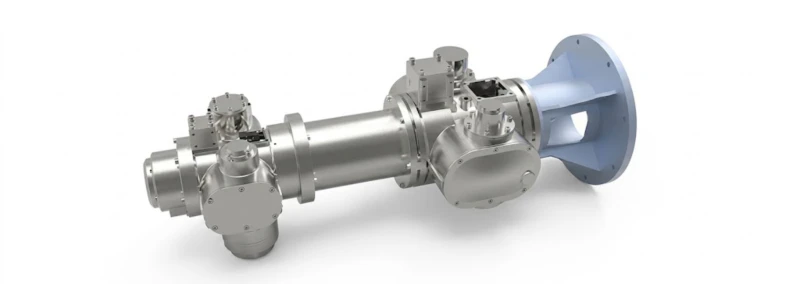
Explosion-Proof Design: Engineering Safeguards in Specialty Gas Compressors
Specialty gas compressors for acetylene and hydrogen service incorporate a set of engineering safeguards that go well beyond the design requirements of standard air compressors. These safeguards address the specific failure modes that could trigger decomposition or ignition of the hazardous gas, and each is mandated by either industry standards, regulatory requirements, or the fundamental physics of the gas being compressed.
Low Rotational Speed: Controlling Adiabatic Temperature Rise
For acetylene compression, the single most important design parameter is the control of discharge temperature. Acetylene decomposition initiation temperature decreases as pressure increases — at the operating pressures of acetylene cylinder filling systems (typically 15 to 25 bar gauge final pressure), the maximum safe discharge temperature from each compression stage is substantially lower than for air compression at the same pressure ratio. Specialty acetylene compressors are designed to run at significantly lower rotational speeds than equivalent air compressors — typically 200 to 400 rpm for larger units versus 750 to 1,500 rpm for air compressors of comparable displacement — because lower speed reduces the adiabatic temperature rise per compression stroke and allows more time for heat transfer through the cylinder walls between strokes. For hydrogen compressors, low speed also reduces valve impact forces and bearing temperatures, both of which could contribute to ignition conditions if a hydrogen leak occurs at the compressor.
Multi-Stage Compression with Extensive Intercooling
Acetylene and hydrogen compressors use more compression stages with lower per-stage pressure ratios than equivalent air compressors reaching the same final pressure. By limiting the pressure ratio per stage, the adiabatic temperature rise per stage is limited, and the maximum stage discharge temperature remains within the safe operating zone for the gas being compressed. Between each stage, oversized intercoolers reduce the gas temperature back to near-ambient conditions before the next compression stage. Temperature monitoring at each intercooler outlet — with automatic shutdown triggered if temperature exceeds a preset safe limit — is standard practice in specialty gas compressor design.
Explosion-Proof Electrical Components
All electrical components associated with an acetylene or hydrogen compressor installation — the drive motor, control panel, instrumentation, junction boxes, lighting, and any motorised valves — must be rated for use in hazardous area electrical classifications appropriate for the gas involved. For hydrogen (Group IIC under IEC 60079, or Group B under NEC Article 500), the most stringent explosion-proof classification applies — the same category as acetylene — requiring specially designed enclosures that can contain any internal ignition without allowing flame propagation to the external atmosphere, or intrinsically safe circuits that cannot release sufficient energy to ignite the gas under any fault condition.
Gas Leakage Detection and Automatic Shutdown Systems
Continuous gas detection in the compressor room — using catalytic bead detectors for hydrogen and electrochemical sensors for acetylene — provides the first line of defence against accumulation of flammable concentrations in the event of a seal leak, valve failure, or fitting joint leak. Detector alarm setpoints are typically set at 10% to 20% of the lower flammability limit (LFL) for the gas — well below the flammable concentration — to allow controlled shutdown before a hazardous concentration develops. The detection system must be integrated with the compressor control system to initiate automatic shutdown and, if installed, to activate forced ventilation systems that purge any accumulated gas from the building.
Leakage Recovery and Containment Systems
Piston rod packing seals in reciprocating specialty gas compressors are a primary leakage point. For hazardous gases, a double-packing arrangement with an inert gas (typically nitrogen) purge between the inner and outer packing rings is standard. Any gas leaking past the inner packing ring is diluted with nitrogen and either returned to the compressor suction or vented through a controlled atmospheric vent designed to disperse the gas safely. This arrangement prevents accumulation of flammable concentrations adjacent to the crankcase area — where ignition sources from the lubricated crankshaft bearings could exist — and provides a controlled, monitored route for minor packing leakage that does not create an explosive atmosphere in the compressor room.
Relevant Design Standards and Regulatory Frameworks
Acetylene and hydrogen compressor design, installation, and operation are governed by a multilayered framework of international standards, national regulations, and industry codes of practice. Compliance with this framework is not optional — it is a legal requirement in most jurisdictions and a fundamental obligation to the safety of operating personnel, neighbouring facilities, and the wider community.
Key Standards for Acetylene Compression
- EN ISO 4414 (Pneumatic fluid power — Safety requirements) and EN 13794 (Transportable gas cylinders — Acetylene dissolved cylinders) provide the framework for acetylene equipment design and safety.
- IEC 60079 series (Explosive atmospheres) defines the electrical equipment requirements for Zone 1 and Zone 2 hazardous areas, including the Ex d (flameproof), Ex e (increased safety), and Ex ia (intrinsic safety) protection concepts applicable to acetylene compressor installations.
- EIGA IGC Doc 123 (European Industrial Gases Association) provides specific guidance on the safe design and operation of acetylene plants, including compressor specifications, pressure limits, and material requirements.
Key Standards for Hydrogen Compression
- ISO 15649 (Petroleum and natural gas industries — Piping) and API RP 941 (Steels for hydrogen service) provide material selection guidance for hydrogen pressure equipment based on operating temperature and hydrogen partial pressure.
- IEC 60079 Group IIC / NEC Group B — hydrogen falls in the most stringent electrical area classification category, requiring Ex d or equivalent protection for all electrical equipment in the hazardous zone.
- ISO 19880 series (Gaseous hydrogen — Fuelling stations) provides engineering requirements for hydrogen compression equipment in the rapidly growing hydrogen refuelling station sector, covering compressor design, safety systems, and testing requirements.
Safe Operating Practices: What Operators Must Know
Even the most carefully designed specialty gas compressor can be operated unsafely if operators are not trained in the specific hazards of the gas being compressed and the specific safeguards of the equipment they are operating. The following operating practices represent the minimum requirements for safe acetylene and hydrogen compressor operation.
Pre-Start Purging Procedures
Before introducing acetylene or hydrogen to a compressor system after any maintenance intervention, pressure test, or extended shutdown, the system must be thoroughly purged with inert gas — nitrogen for most applications — to displace all air from the gas path. Introducing flammable gas into a system containing air can create a flammable mixture within the compressor cylinders and pipework. The purge procedure must be documented in the site operating procedure and must verify that the oxygen content at the compressor discharge is below the limiting oxygen concentration for the gas being compressed before process gas is introduced.
Temperature Monitoring and Automatic Shutdown Compliance
The automatic shutdown systems — stage discharge temperature trips, suction pressure low trips, discharge pressure high trips, gas detector trips — must never be bypassed during operation, even temporarily for diagnostic purposes. These safety interlocks exist specifically to prevent operation under conditions that could initiate decomposition or create an explosive atmosphere. Any work that requires temporarily disabling a safety interlock must follow a formal Permit to Work procedure with appropriate compensating controls, and the interlock must be restored and function-tested before the compressor is returned to service.
Hot Work Controls in Compressor Rooms
Welding, grinding, cutting, and other activities that generate sparks or flames must not be conducted in or near the acetylene or hydrogen compressor room without a formal hot work permit, gas-freeing of all gas-containing equipment in the area, continuous gas detection monitoring during the work, and a designated fire watcher. Even activities that seem remote from the gas system — painting with solvent-based paints, operating non-intrinsically-safe power tools, or bringing in mobile phones not rated for the hazardous area — can create ignition risks that must be controlled through the site permit to work system.
Maintenance Intervals and Packing Seal Inspection
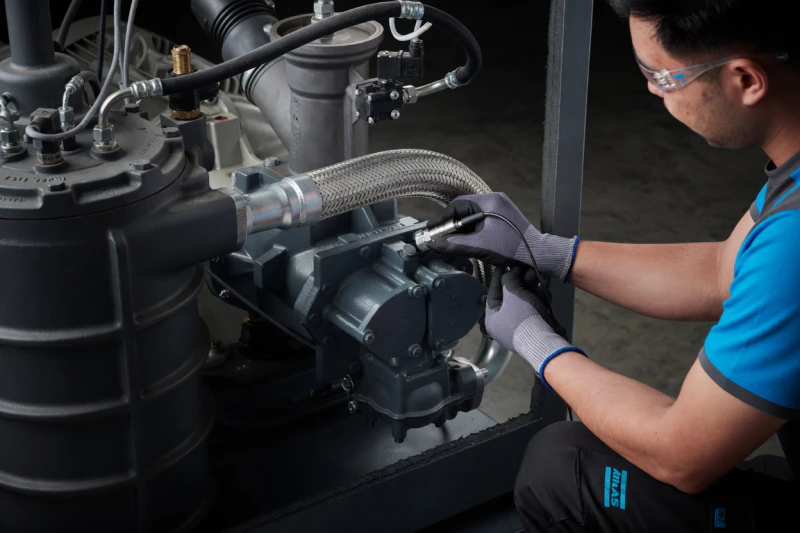
Piston rod packing seals are the most safety-critical wear item in reciprocating specialty gas compressors — their degradation is the primary source of compressor leakage that creates explosive atmospheres. Packing seal inspection and replacement must be conducted at the manufacturer’s recommended intervals without extension, even if the packing appears to be performing satisfactorily. The insidious nature of progressive packing wear is that leakage rates can increase suddenly when wear reaches a critical threshold, creating a rapid transition from minor controlled leakage to a significant hazardous atmosphere in the compressor room. Conservative packing replacement intervals are a non-negotiable safety discipline in specialty gas compressor maintenance.
Compressor Room Design: The Installation Is as Important as the Machine
The safety of an acetylene or hydrogen compression installation depends not only on the compressor design but equally on the design of the building, ventilation system, electrical area classification, and emergency response infrastructure in which the compressor operates. A well-designed compressor installed in a poorly designed room is not a safe installation.
Ventilation is the most important passive safety measure in a hazardous gas compressor room. Hydrogen, being significantly lighter than air, accumulates at ceiling level — ventilation must be designed to prevent stratified accumulation at ceiling height, typically requiring high-level exhaust ventilation with a minimum of 12 air changes per hour and a make-up air inlet at low level. Acetylene has a density similar to air (slightly lighter) and does not stratify as markedly, but high ventilation rates are still essential to prevent any local accumulation above 25% of the LFL.
Electrical area classification defines the zone within which explosion-proof or intrinsically safe electrical equipment is required. For both acetylene and hydrogen (IEC Group IIC), Zone 1 classification (area in which a flammable atmosphere is likely to occur in normal operation) typically applies within 1 metre of the compressor gas connections, valve manifolds, and packing seal drain points, extending to Zone 2 (area in which a flammable atmosphere is not likely to occur in normal operation but may occur in abnormal conditions) for the general compressor room area.
Structural isolation — locating the compressor building as a standalone structure separated from other buildings by a minimum safe distance, or using blast-relieving wall and roof construction if structural separation is not possible — limits the consequence of a major leakage event. The compressor building should have at least one wall facing open ground with light-weight blast relief panels that direct any explosion pressure wave away from occupied areas and critical infrastructure.
Selecting a Specialty Gas Compressor Supplier: What Experience and Documentation Must Include
Given the safety-critical nature of acetylene and hydrogen compression equipment, supplier selection is a more significant decision than for standard industrial compressors. The supplier must demonstrate specific experience with the gas being compressed, not merely general compressor manufacturing capability. Key criteria include:
- Documented reference installations for the specific gas (acetylene or hydrogen) at comparable operating pressure and flow rate, with accessible customer references who can confirm long-term safe operation.
- Materials certification confirming that all gas-wetted components meet the compatibility requirements for the gas — specifically, copper content certificates for acetylene service components and hydrogen embrittlement resistance documentation for hydrogen service pressure parts.
- ATEX or IECEx certification for all electrical components supplied as part of the compressor package, with zone classification documentation aligned with the hazardous area classification of the installation.
- Pressure Equipment Directive compliance (EU PED or equivalent national standards) with CE marking and documentation for all pressure-containing components in the compressor and associated pipework package.
- Comprehensive safety documentation — HAZOP records, safety case, relief valve sizing calculations, and emergency shutdown logic documentation — provided as part of the equipment package and not requiring the buyer to commission independently.
Buyers who work with a specialist acetylene and hydrogen specialty gas compressor supplier from the project definition stage — rather than adapting standard industrial compressor equipment for hazardous gas service — consistently achieve safer installations, shorter commissioning timelines, and more complete safety documentation packages than buyers who treat specialty gas compression as a standard procurement activity.
Conclusion: Safety Is Not an Add-On — It Is the Design Basis
Acetylene and hydrogen compressors cannot be safely designed by taking a standard air compressor and adding safety features as afterthoughts. The hazard profiles of these gases require that safety is the design basis from which every engineering decision flows — material selection, rotational speed, stage pressure ratios, intercooler sizing, seal arrangement, electrical area classification, instrumentation, and shutdown logic are all defined by the specific properties of the gas being compressed and the consequences of any failure that allows those properties to express themselves as an accident.
For plant engineers and safety managers responsible for acetylene or hydrogen compression installations, the most important single decision is selecting a compressor supplier with genuine specialty gas experience and the complete safety documentation capability that these applications demand. Engaging with a specialist in explosion-proof specialty gas compressors at the project definition stage ensures that the compressor design, the installation design, and the operational procedures are all developed as an integrated safety system — not assembled piecemeal from components and guidance developed for less hazardous applications.
Specifying an Acetylene or Hydrogen Compressor for Your Facility?
Our engineering team provides specialty gas compressors for acetylene, hydrogen, carbon dioxide, and hazardous process gas applications with full ATEX/IECEx certification, PED compliance, and comprehensive safety documentation packages. Local stock and rapid technical service for Russia and CIS markets.
Request a Technical Consultation
Browse Our Gas Compressor Range